Physical cultivation
Training beyond the conventional
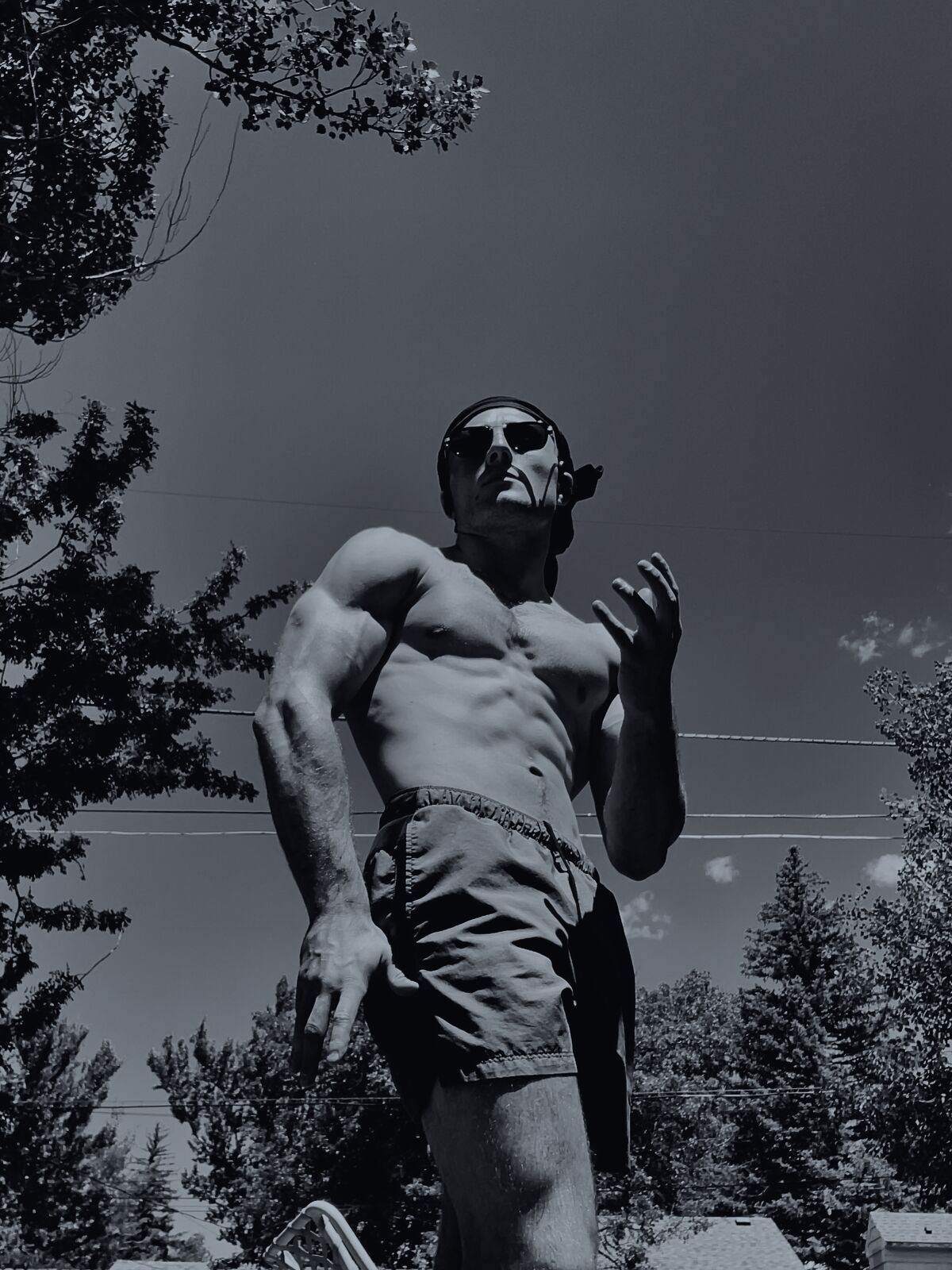
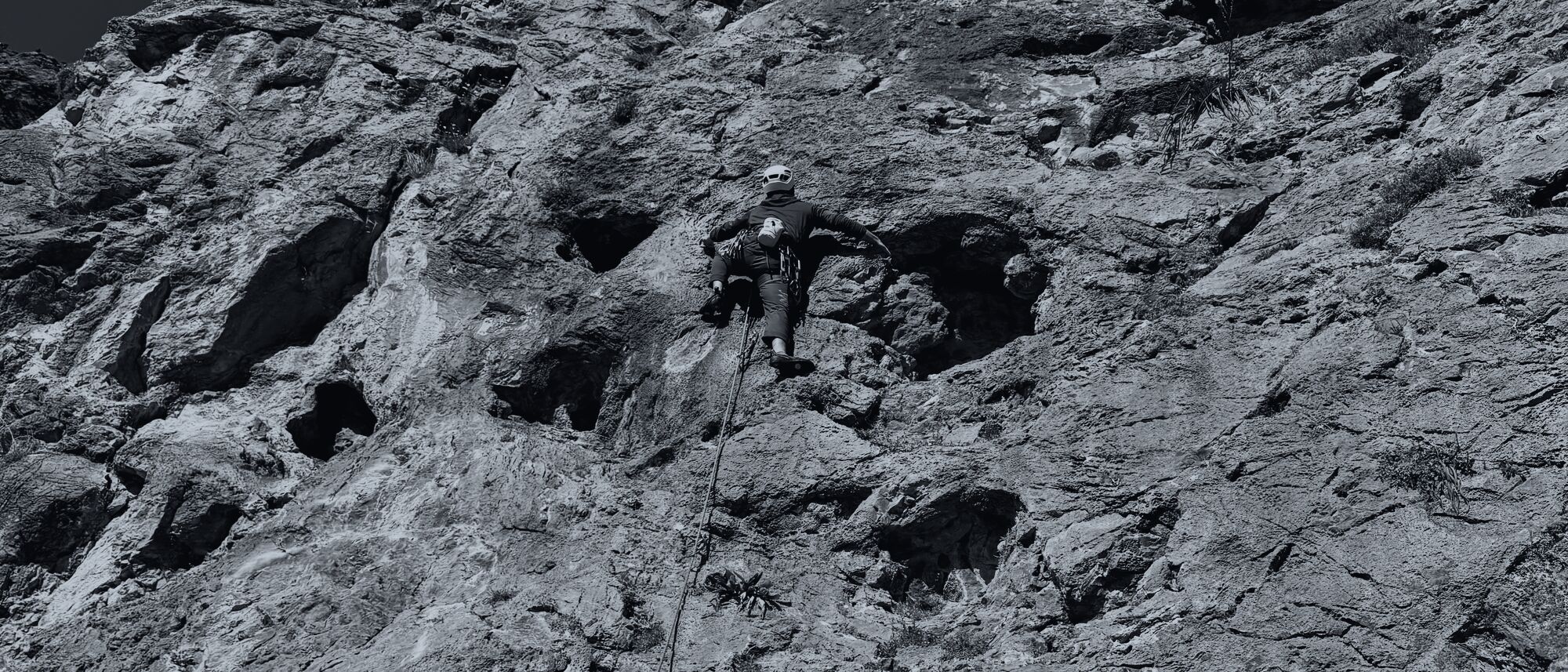
There is a frontier of physical training beyond what any static, conventional facility can offer you. You don't have to relegate your fitness adaptations to machines and ergonomically-designed free weights. The body can perform in any context you practice for. Physiquenomics is our name for this: the ecological application of physical training to the context of your sport, your environment, and your physical exercise needs.
The frontier
Real strength starts where the handle ends.
Conventional strength training is excellent for health and basic fitness. But the power of your hips, trunk and shoulders will always be constrained by what you can hold onto.
-
01
Strength that transfers
It's great to deadlift 500, or squat 405, or bench 315, or whatever conventional metric you're shooting for. Those are real accomplishments. But that force is produced through a 28mm cylinder shaped to fit your hand perfectly. Change the object, and a surprising amount of it doesn't follow you.
-
02
Hands and feet
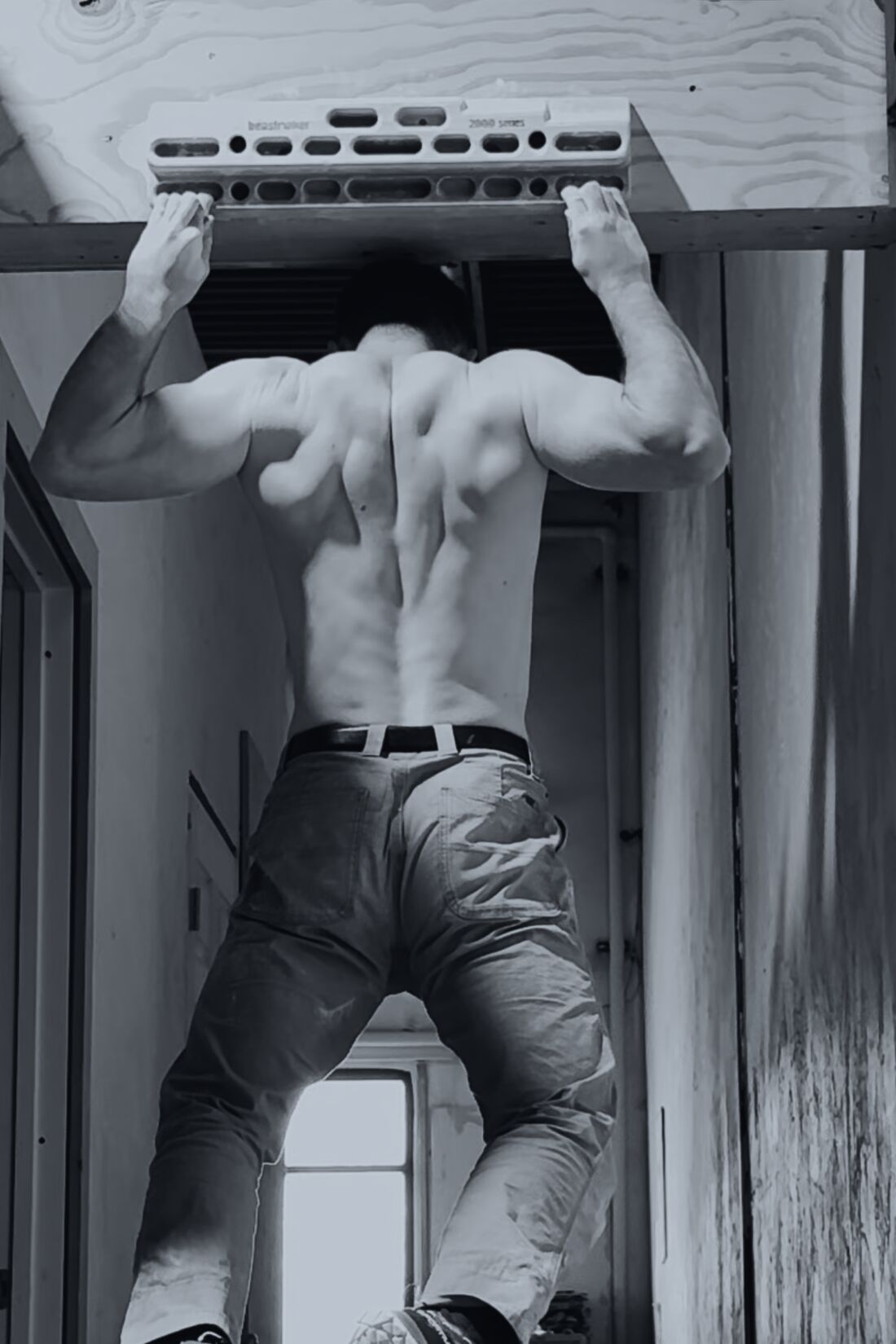
These are the parts you actually use to interface with real-world objects, and they are what an ordinary barbell gym trains least. Picking up a 60lb rock with an open hand grip. Hoisting your bodyweight off a ten-millimetre ledge on your fingertips. Squatting your bodyweight through the ball of one foot. Every one of those needs fingers and toes you won't build on a bar.
-
03
Adaptations that serve your discipline
What if you could have everything a split gives you plus fitness relevant to a physical practice that actually inspires you? That's the offer. Not fitness as its own closed loop, but capacity that feeds something you care about.
To be clear
We're not against the gym.
We like it. We'd be glad to see a world where barbell gyms are full of competitive powerlifters, Olympic weightlifters and bodybuilders, using those tools for exactly what those tools are best at. Nothing here asks you to quit.
There are further frontiers to cross in strength training.
Our concern is narrower than it sounds. A great many people train that way because they believe it's the only option available to them. It isn't. Showing that is the whole project.
If you want to go further
Two ways in.
No gimmicks and no fads. Process-oriented consultation and instruction, built to integrate physical cultivation into your life, whatever that life looks like.
Coaching & remote programming
Individual work, built around your discipline, your schedule and what you actually have access to. Fully virtual.
See how it works
The resource library
Written breakdowns and video instruction on loading, progression models and implement technique. Members only.
See what's inside
Field notes
The thinking, published as it develops.
An open notebook on the project: what's working, what isn't, and where the argument goes next. Free, no account needed.